Put the factory variant, the advertisement and the documents side by side. Turn unclear details into better questions before a viewing.
This vehicle spec check is a supplied-data worksheet, not a registration search. We do not retrieve DVLA records, decode a VIN or identify fitted options. Start with evidence you already have, then follow the official links for checks this page cannot perform.
A brochure or manufacturer response can describe an engine, gearbox and equipment for a particular market and model year. Record exactly which version the source covers. A generic model page is not evidence of every option on an individual car.
Advertisement
Keep the seller’s original wording and date. “Sport”, “automatic” or “fully loaded” can conceal important distinctions. Ask for a precise equipment list rather than treating a badge, wheel design or promotional phrase as proof.
Documents & car
Compare records with the physical vehicle. GOV.UK recommends checking the VIN and engine number against the log book. A tidy worksheet cannot authenticate documents, prove ownership or confirm the condition of a component.
YOUR EVIDENCE DESK
Compare what each source actually says.
Type only non-sensitive notes. Blank means unknown, not missing equipment. Entries remain in this page’s memory; refreshing clears them. Download a copy before leaving.
Detail to compareFactory / variant sourceAdvertisementDocuments / observed
No evidence checked yet. This tool compares your text only; matching wording is not verification.
Different text is flagged for review, not diagnosed as fraud. Equivalent units, abbreviations and spelling are not automatically reconciled. Never paste keeper details, document reference numbers or contact information into this worksheet.
UNITS, NOT A PERFORMANCE TEST
Same power. Different numbers.
A mathematical example: 100 kW ≈ 135.96 PS ≈ 134.10 bhp. These are unit conversions, not the specification of the pictured car. A unit conversion cannot establish an engine’s current output or account for a remap.
Here PS means metric horsepower. For this tool, bhp uses mechanical horsepower (550 ft·lbf/s). If a document says only “hp”, establish its convention before converting. Brake horsepower describes a measurement context; it is not evidence that two different tests are directly comparable.
Enter a positive number and select its unit.
Formula: kW = PS × 0.7354988; kW = bhp × 0.7456999. Reverse conversion divides kW by the same factor. Results round to two decimals; calculations retain the factors as published by NIST, Appendix B.8.
Appearance alone does not establish the exact variant.
BEFORE YOU TRAVEL
Ask for evidence, not a longer description.
Request the exact model designation, model year, gearbox and original market. Ask which desirable features are factory fitted and which were added later. A photograph of a control may show presence, but an enquirynstration is still needed to establish operation.
If the advert and record disagree, keep both versions. Ask the seller to explain the difference in writing and identify a supporting document. Pause a purchase decision when an important identity or safety question remains unresolved; this page cannot resolve it remotely.
DVLA’s public service lists fields including engine size, fuel type, year of manufacture and first registration. That is not a complete factory-options list. Use its results alongside manufacturer evidence, not as a substitute for it.
For test results and recorded mileage, use the separate official MOT history service. Neither link sends worksheet notes. We are independent of DVLA and DVSA.
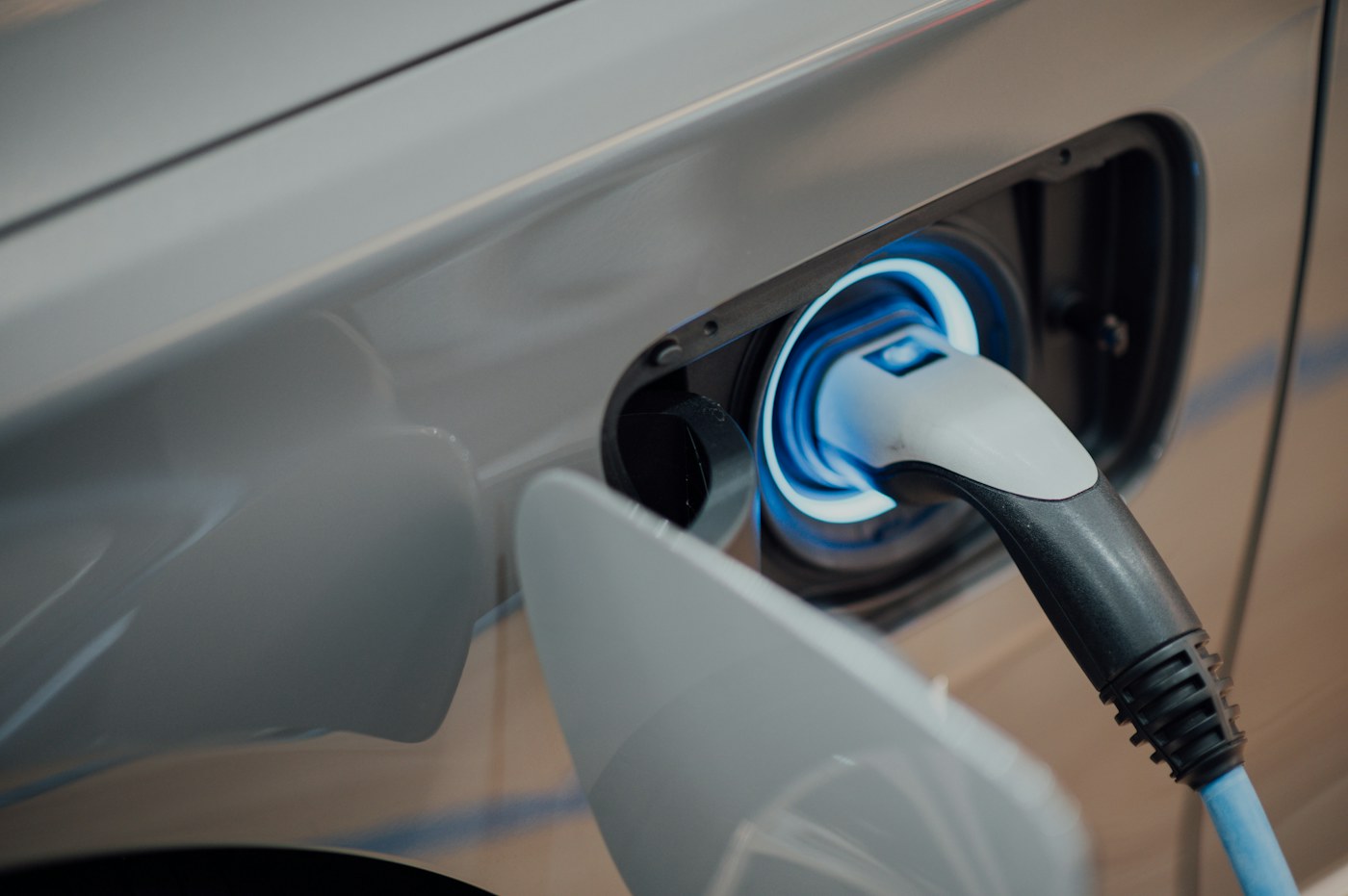
Illustration only: charging equipment varies by vehicle.
CHECK THE BASIS OF COMPARISON
Imports, changes and electric variants.
A familiar model name can cover different overseas specifications. Record the original market and keep dates of manufacture, model year and registration separate. Translated documents should retain original units and labels so another reader can trace the interpretation.
For an electric or hybrid vehicle, distinguish motor power in kW from battery energy in kWh. Do not add motor ratings to invent a combined system output. Ask for the manufacturer’s figure for the exact variant and seek evidence for any claimed battery or charging upgrade.
A WORKABLE CHECKING ORDER
Make the next conversation more useful.
Before the viewing
Save a dated copy of the advert and make a short list of the features that affect your decision. Put each claim into the worksheet without improving the wording. Add the manufacturer source only when you know which market and variant it describes. If the seller has not supplied a document, leave that column blank rather than copying the advert into it.
Ask for clarification before travelling when the basic description is unclear. A precise question about the gearbox or original market is more useful than requesting “all the details” again.
At the vehicle
Take your unresolved questions with you. Compare the physical identifiers and log book using the official buying guidance, and request safe demonstrations of important equipment. Record what you observed separately from what the seller told you. A component can be present but untested; those are not interchangeable answers.
Do not dismantle unfamiliar equipment or attempt unsafe tests to complete a checklist. Arrange an appropriate independent inspection when you need a technical assessment beyond a viewing.
After the explanation
Keep the original claim and add the explanation with its source. Mark whether the question is resolved, needs another document or remains unknown. Where changes are involved, ask what was altered and when; DVLA’s V5C changes guidance explains the official reporting routes.
An invoice is evidence to read, not blanket approval of an alteration. If a material identity, safety or specification question remains open, pause rather than treating the download as clearance to buy.
Download the brief even if your worksheet is incomplete. It includes your notes, unresolved text differences and questions about dates, equipment and alterations. Unknown answers stay unknown. The brief is a preparation aid, not a vehicle certificate, paid history report or recommendation to buy.